Architectural Scale Models
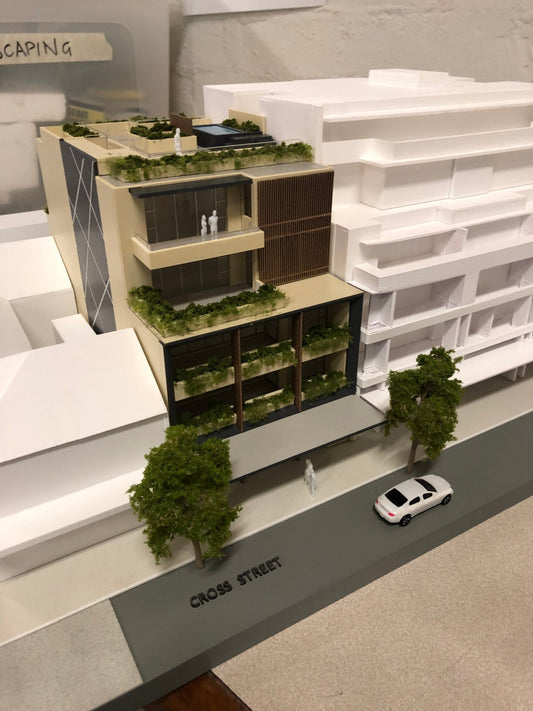
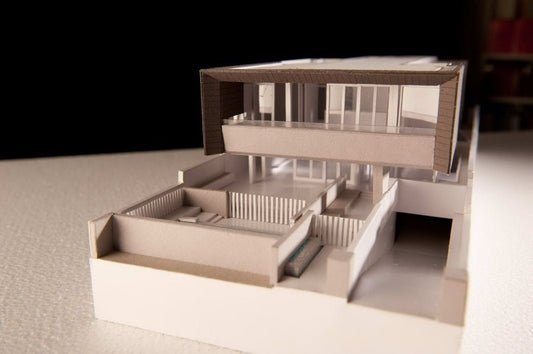
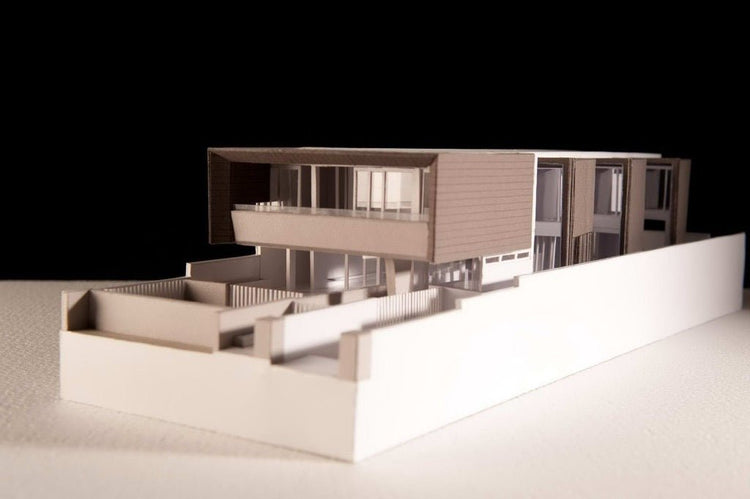
Every project calls for a different level of representation. We build architectural models that support the design process, from early massing studies through to fully resolved presentation and marketing models.
Whether the objective is a design review, planning approval, public exhibition or sales display, we tailor the model to suit the brief, programme and budget rather than applying a standard approach.
Our workshop combines traditional model making with CNC machining, laser cutting and high-resolution 3D printing to produce models that are accurate, durable and built for their intended purpose.
If you'd like to discuss a project, we'd be happy to help.
-
Museum Development | Architectural scale model
Regular price $0.00Regular priceUnit price per -
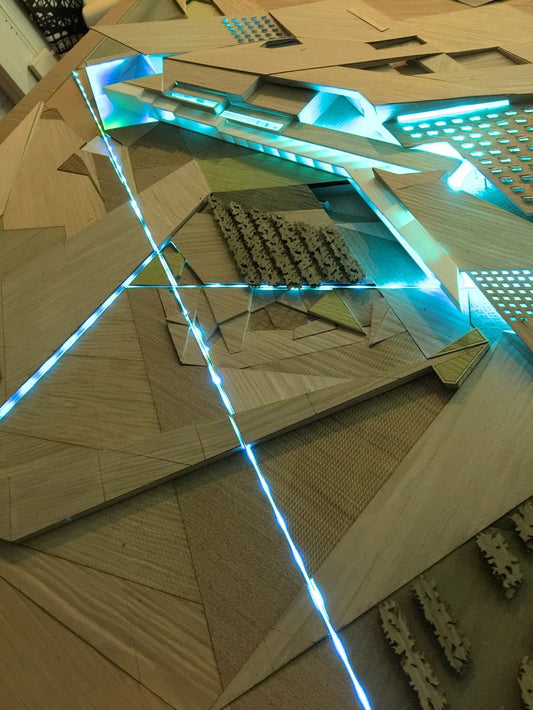
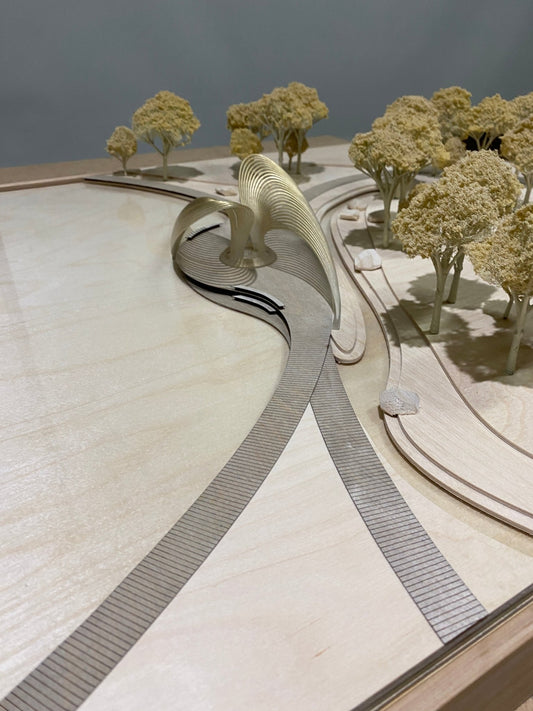
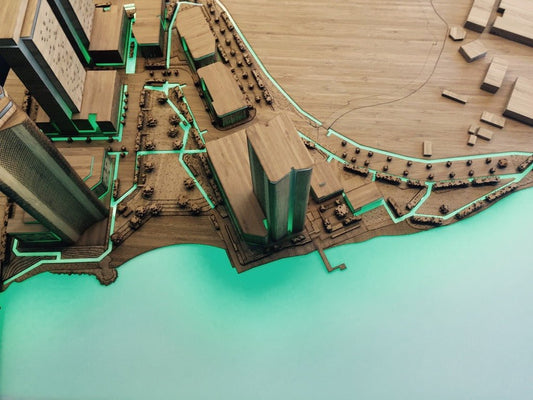
Timber Landscape Study | Competition model
Regular price $0.00Regular priceUnit price per -
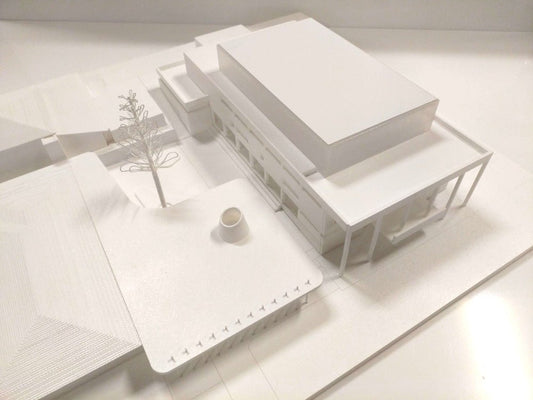
Hale School White | Presentation scale model
Regular price $0.00Regular priceUnit price per -
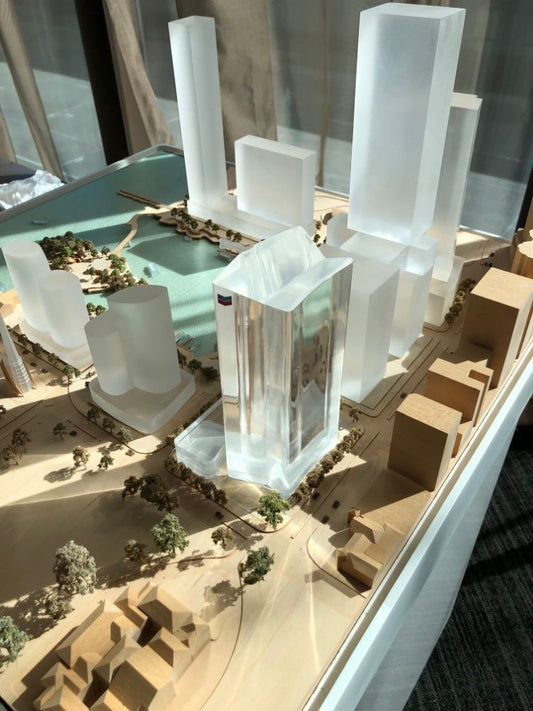
Architectural Concept | Acrylic block model
Regular price $0.00Regular priceUnit price per -
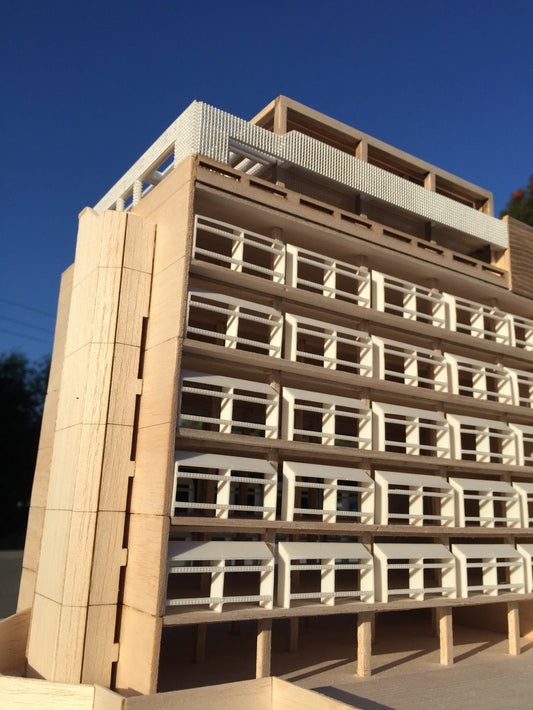
Timber Office Building | Architectural scale model
Regular price $0.00Regular priceUnit price per -
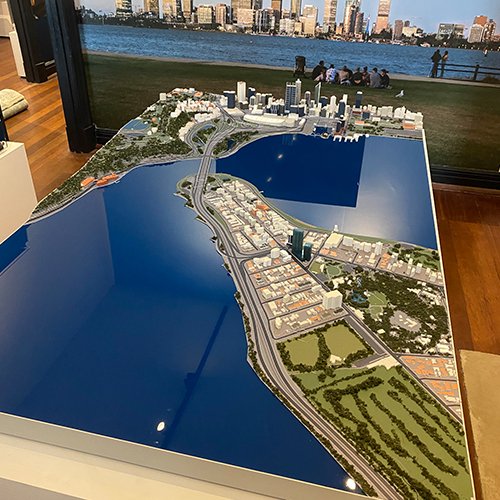
Urban Context Study | Masterplan scale model
Regular price $0.00Regular priceUnit price per -
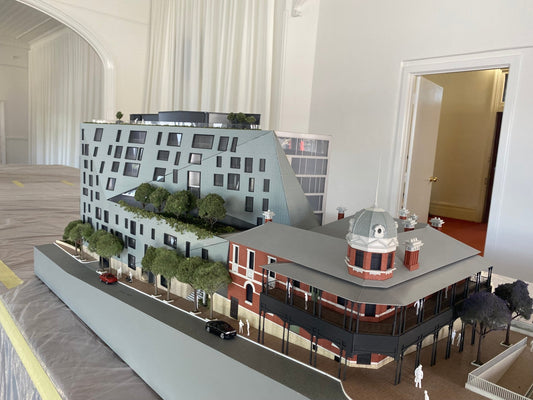
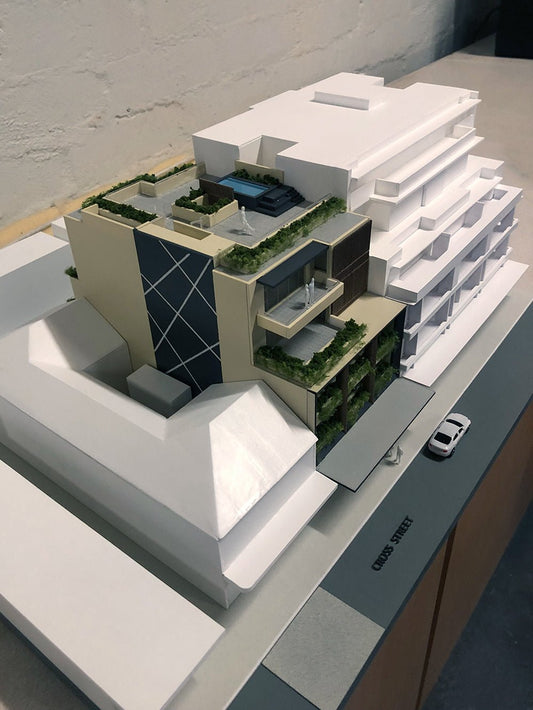
Fremantle Apartments | Property marketing display model
Regular price $0.00Regular priceUnit price per -
Shopping Centre Development | Architectural display model
Regular price $0.00Regular priceUnit price per -
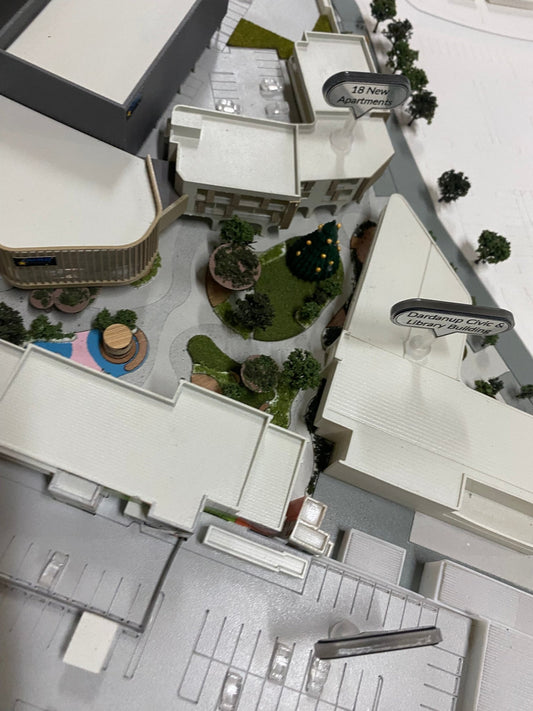
Council Development Approval | Planning scale model
Regular price $0.00Regular priceUnit price per -
Urban Context | Masterplan scale model
Regular price $0.00Regular priceUnit price per -
Mosman Park Development | Architectural scale model
Regular price $0.00Regular priceUnit price per -
Sydney Development Application | Planning approval model
Regular price $0.00Regular priceUnit price per